Kanyakumari 2026
South India Regional Convening & National Institutional Consultation
National Action Council for Artisan Ministry
8:00 AM – 4:00 PM
Kanyakumari, Tamil Nadu
South India Artisan Network
From Representation to Organised Action
To bring together national, state, district, youth, artisan and volunteer representatives to strengthen organized action for artisan welfare and economic empowerment; build State Action Councils (SAC) and District Action Councils (DAC); develop an inclusive artisan network and data foundation; and establish a measurable six-month action framework. The proposed Ministry for Artisan Affairs is an institutional vehicle and milestone; the primary objective is the welfare, dignity, organization and economic empowerment of artisans.
Updated Formal & Working Agenda
Saturday, 31 October 2026
Official programme: 8:00 AM – 4:00 PM
| Time | Dignitary / Session | Theme | Focus |
|---|---|---|---|
| 8:00–8:20 AM | Registration & Participant Connect | Registration, State Representation & Networking | Mandatory attendance/sign-in; State identification; SAC/DAC status; membership and volunteer interest; participant introductions. Volunteers manage late arrivals so the spiritual segment is not interrupted. |
| 8:20–8:35 AM | Group Meditation, Vishwakarma Ashtottara & Spiritual Oath | Welfare, Dignity & Future of India's Artisans | Collective meditation/prayer; Shri Vishwakarma Ashtottara Namavali segment; leadership oath to work for artisan empowerment without personal interest; 5-minute social commitment segment. |
| 8:35–8:45 AM | Formal Opening & Traditional Lamp Ceremony | Opening of the NAC Regional Convening | Vishwakarma mantra, photo poojan and deep prajwalan. Seven pre-selected participants/speakers only to participate in the lamp ceremony to maintain discipline and timing. |
| 8:45–9:05 AM | Prof. Sagar Zilpe — National General Secretary, NAC | From Representation to Economic Empowerment | Roadmap: organized representation; progress toward institutional attention for Artisan Affairs; economic empowerment; artisan data bank; State Councils; institutional collaboration; six-month execution framework. |
| 9:05–9:25 AM | Shri V. Vishwanathan Achary — Chairman, National Advisory Council, NAC | 21 Years of Experience — Lessons, Progress & the Next National Phase | High-level journey; experience and lessons; institutional engagements; gaps; why organized national action is required; transition from dispersed activities to a coordinated movement. |
| 9:25–9:45 AM | Shri Ram Chander Jangra — National Patron, NAC; Former Member of Parliament, Rajya Sabha, Haryana | National Perspective & Institutional Action for Artisans | National perspective; policy and institutional engagement; constructive dialogue with Government; organized representation; practical outcomes and the way forward. |
| 9:45–10:05 AM | Adv. Padmachary — National President, NAC | Dignity, Livelihood Security & Continuity of Traditional Artisans | Traditional knowledge; livelihood security; continuity of hereditary skills; intergenerational participation; youth and future-generation priorities. |
| 10:05–10:25 AM | Shri S. Chinna Raja — Chief Coordinator, South India, NAC | Building a Coordinated Southern India Artisan Network | State coordination; District Action Councils; regional priorities; three-month network-building target; six-month framework; measurable State/District outcomes. |
| 10:25–10:45 AM | Shri P. Ravindran — Executive Director, Kerala Chapter, VADF | From Artisan Identification to Economic Empowerment | Role and contribution of VADF; artisan identification; trade/skill mapping; data; technology; opportunities; partnerships; implementation support across the southern region. |
| 10:45–11:05 AM | Dr. Dakshinamurthy Sthapathy — Distinguished Guest | Traditional Knowledge, Cultural Contribution & Future Generations | National importance of traditional artisans; preservation of knowledge; cultural and economic contribution; coordination of activities; future generations and collective responsibility. |
| 11:05 AM–12:00 PM | Attending Leaders & Delegates — 5-Minute Connect | What I Represent • What I Can Contribute • What I Want to Build | Each attending leader/delegate gets up to 5 minutes to introduce themselves, identify their State/region and artisan/community or institutional role, and state the specific contribution, capability, network or responsibility they are willing to bring to NAC. |
| 12:00–12:35 PM | NAC Working Consultation — National & State Leadership | From Vision to Action | Open working consultation: artisan welfare gaps; economic opportunities; artisan data; State/District/Town network; women and youth; membership; volunteers; institutional engagement; State priorities; six-month actions. |
| 12:35–12:50 PM | SAC/DAC & Appointment-Letter Process | From Consent to Responsible Assignment | Confirm SAC/DAC formation status; review representation and gaps; confirm consent letters; NAC approval; roles and jurisdiction; appointment/assignment documentation; six-month responsibilities and reporting expectations. |
| 12:50–1:00 PM | Southern India Artisan Action Resolution & Closure of Main Session | Collective Commitment | Confirm immediate priorities, State/District responsibilities, six-month action direction and transition to the post-lunch working programme. |
| 1:00–2:00 PM | Lunch & Informal Networking | Cross-State Relationship Building | Self-arranged/self-funded lunch and informal networking; one-to-one connections; exchange of contact details; identify collaboration opportunities. |
| 2:00–3:00 PM | Women & Youth Leadership Navigation — Regional Connect | Women and Youth as the Next Generation of Action | Women and youth participation; leadership pathways; volunteer roles; regional coordination; artisan welfare; skills, enterprise, technology, markets, mentorship and next-generation leadership. |
| 3:00–4:00 PM | Young Artisans, Social Entrepreneurs & Gen-Z Representatives | Ideas, Inclusion & New Economic Opportunities | Young participants present their views, ideas and capabilities; social entrepreneurship; technology and digital platforms; market access; new-age opportunities; inclusion in NAC/VADF initiatives; practical next steps. Official closure of Day 1 programme at 4:00 PM. |
SAC / DAC Formation
State & District Structure
- Priority focus: Andaman & Nicobar Islands, Kerala, Tamil Nadu, Karnataka, Andhra Pradesh and Telangana.
- Puducherry remains part of the South India regional network and existing partial appointments are to be reviewed.
- Each priority State should work toward a full-fledged State Action Council (SAC) and District Action Councils (DAC).
- Existing partial appointments should be reviewed and gaps or vacant responsibilities identified.
Representation & Approval
- Representation should cover relevant traditional/hereditary artisan communities.
- Representation should not be concentrated in one community, trade, locality or individual network.
- Proposed Council members should submit consent in the prescribed format.
- Target for SAC/DAC formation: 30 September 2026.
- Appointment/assignment letters are subject to consent and NAC approval.
Role & Responsibility
- Appointment is an NAC responsibility.
- Appointment does not constitute a government or semi-Government position.
- Roles are voluntary and self-funded.
- No reimbursement is committed for individual travel, accommodation, food or other participation expenses.
- Appointments remain subject to NAC rules, review, conduct, values and performance.
Six-Month Working Mandate
- Every appointment should carry a clear six-month working responsibility.
- Reporting expectations should be defined.
- Each responsibility should have a measurable outcome.
- State and District teams should work toward structured, accountable implementation.
Process & Timeline
Values & Meeting Discipline
Participant Dress & Participation Expectations
- Formal wear is expected for all participants: WHITE TOP + BLACK BOTTOM.
- Men may wear formal shirts/kurta with black trousers.
- Women may wear appropriate formal attire maintaining the same white-and-black colour discipline.
- Participants should arrive before 8:00 AM and complete registration by 8:20 AM.
- The meditation/spiritual segment will begin at 8:20 AM irrespective of late arrivals.
- Late arrivals should be handled by designated volunteers without interrupting the meditation, prayer or oath segment.
- Speakers and lamp-ceremony participants should follow the event protocol and time limits strictly.
- Participants are expected to remain constructive, avoid personal campaigning or self-promotion, and contribute to the collective objective.
Travel, Stay & Food
- This is a self-funded initiative and is not presented as a government-funded program.
- Participants are requested to arrange and bear their own travel, accommodation, food and other participation expenses.
- The official Day 1 programme closes at 4:00 PM.
- Participants may independently continue their journey toward Trivandrum after the programme.
- No organised programme is scheduled after 4:00 PM.
31 October 2026 • Kanyakumari
From Convening to Action — A Six-Month Working Mandate
The Day 1 programme officially concludes at
4:00 PM. Participants should plan
travel, accommodation and onward arrangements
independently.
Distinguished Guests & Speakers
Meet the distinguished leaders, traditional knowledge experts and institutional contributors joining the South India Regional Convening & National Institutional Consultation.
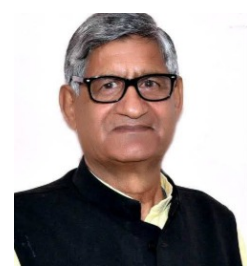
Shri Ramchandra Jangra
A committed social leader and advocate for artisan communities, bringing legislative and public-policy experience to discussions on artisan recognition, institutional support and stronger representation.
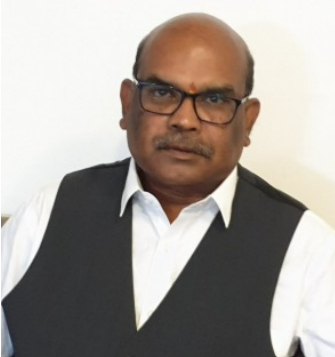
Dr. Dakshinamoorthy Sthapati
An eminent practitioner and researcher in traditional Indian architecture and iconography, bringing deep knowledge of architectural heritage, craftsmanship and traditional knowledge preservation.
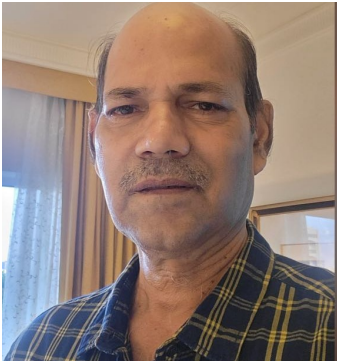
Shri R. S. Vishwakarma
Bringing administrative experience and a public-welfare perspective to institutional mechanisms, community development and the concerns of traditionally underrepresented communities.
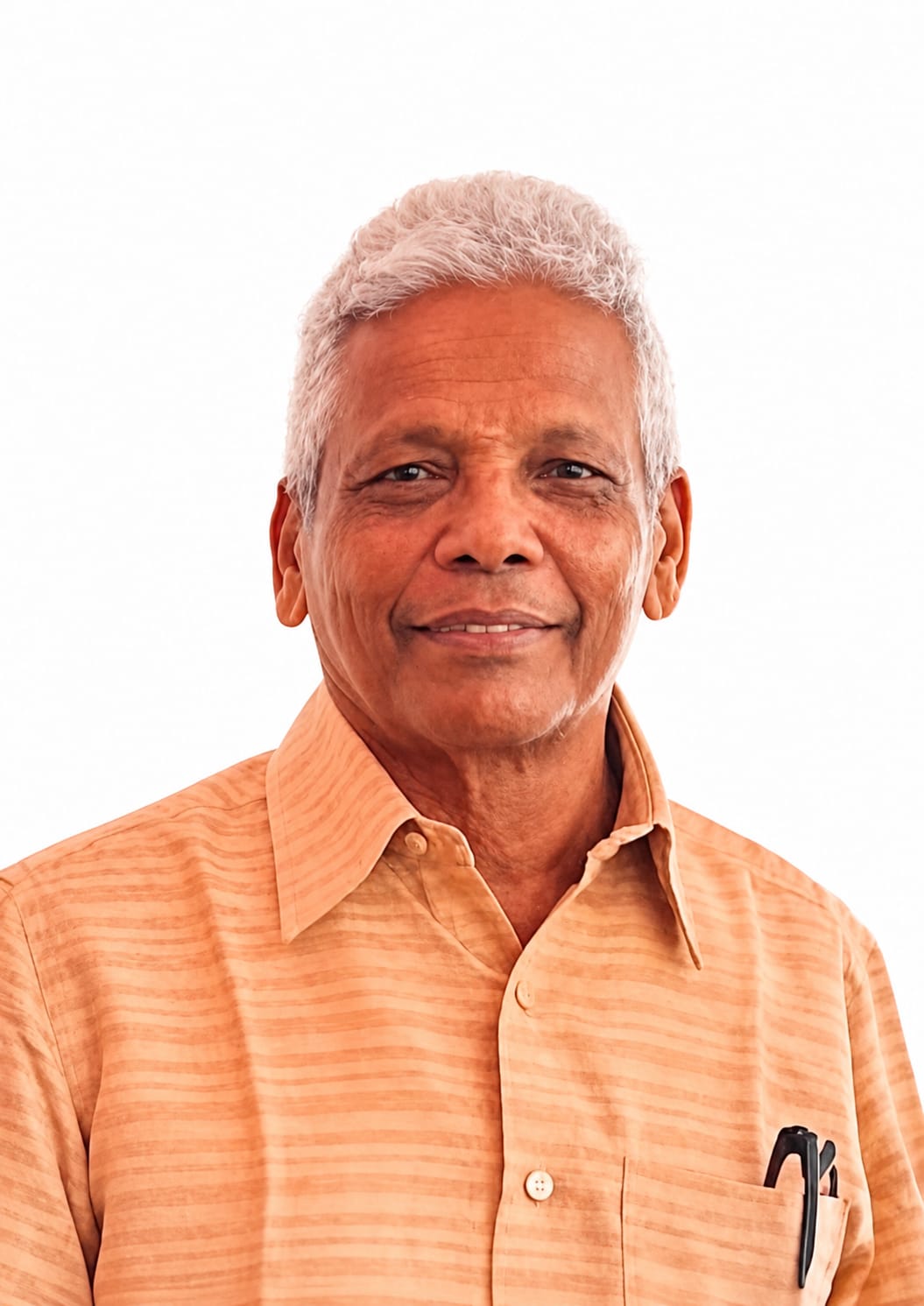
Shri Viswanathan Achary
Contributes experience in artisan-related institutional initiatives, organisational development, coordination and strengthening frameworks for artisan representation.
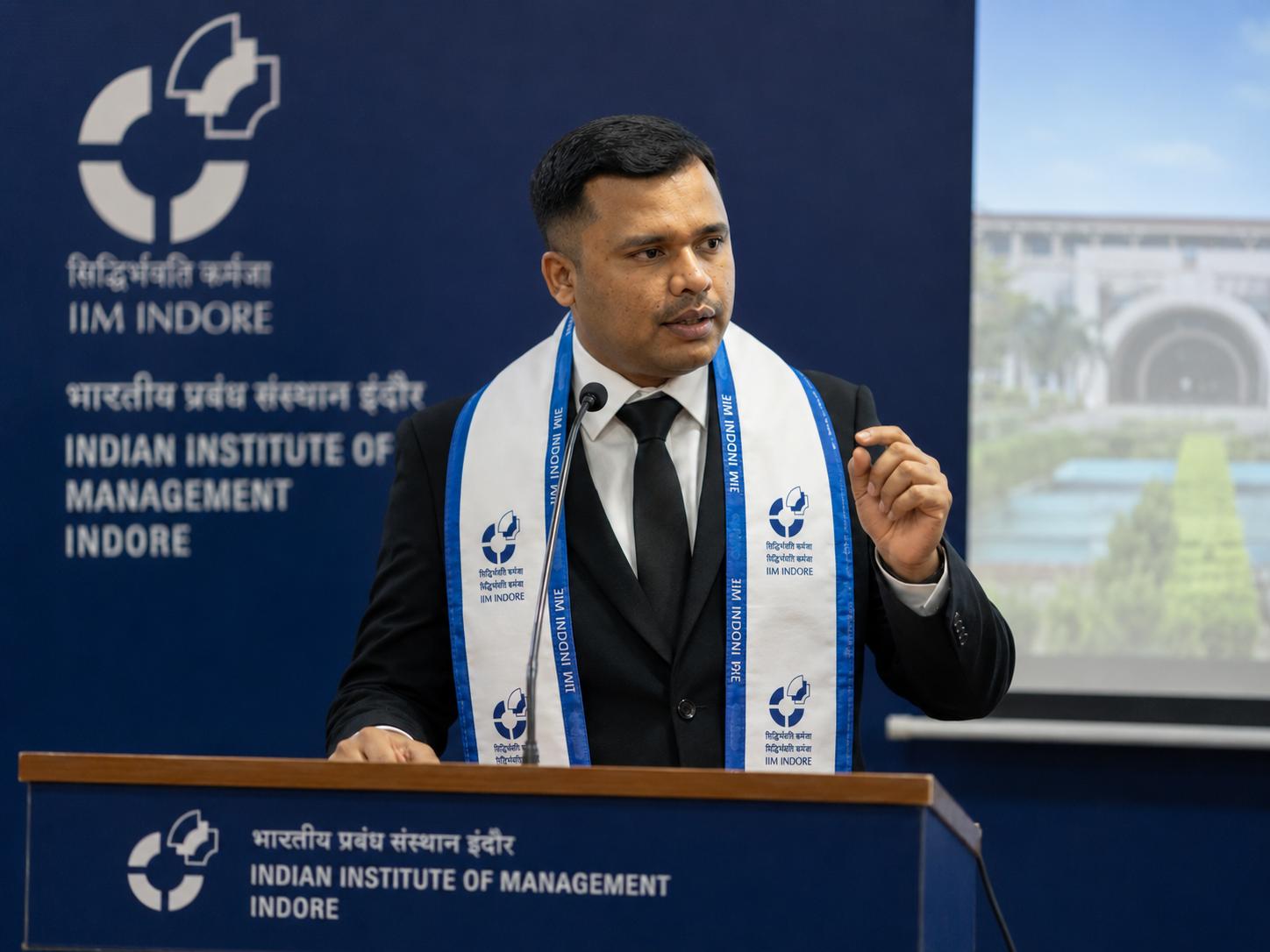
Prof. Sagar Zilpe
Works at the intersection of entrepreneurship, skills, technology and institutional development, with a focus on enterprise opportunities, market access, innovation and sustainable artisan livelihoods.
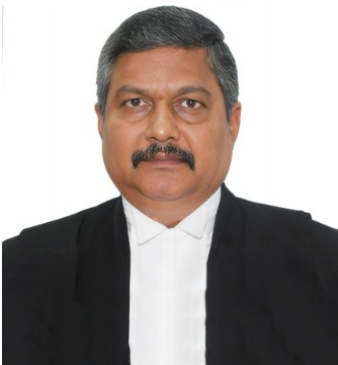
Shri Devu Narasimha Rao
Brings a legal and institutional perspective to discussions on governance, accountability and structured, responsible engagement with public institutions.